
If you don’t understand what you’re tracking, then what’s the point of tracking it? Even with the best wearable tech for athletes, you still need to do the work, and do it smart.
Smart sports gadgets can give you a lot of great data. Heart rate, VO₂ max, recovery time, training load. Watching those numbers rise and fall becomes a kind of game. But to turn that data into progress, you need to really understand it.
But do we really need all those performance wearables? Maybe it’s time to take a closer look at what these devices actually track, how accurately they do it, and how they can really help you improve performance.
The truth is, the top fitness trackers for athletes don’t work the same for everyone. Here is what you need to know before you pick your next fitness tracker.
Why Wearable Tech Matters in Sports
Technology can give us a complete picture of physical performance. New athlete tech wearables track real-time movement, effort, and recovery data.
They say data is the new gold. In sports, it’s really the game intel that helps athletes and teams win championships. As experts say, smart sports gadgets have become very effective tools for athletes, coaches, and health professionals.
This tech is now more accessible than ever. We’re already used to checking stats in sports and training: numbers for every session, every sprint, every lift.
The data is always there. The real question is whether you’re using it, or just watching it.
Wearable recovery devices can help optimize workouts with precise heart rate tracking and recovery monitoring. But interpreting all that information and spotting inaccuracies can still be a challenge.
Not all fitness tech wearables deliver the precision they promise. That’s why understanding what your device tracks is key before you rely on it to guide your training.
What Wearable Fitness Tech Can Track
Here’s a quick rundown of the key performance indicators, from the basics to the more advanced stuff.
- Step Count: Tracks your steps, distance, and general activity outside workouts. A great way to stay accountable and keep daily movement goals in check.
- Calories Burned: Estimates how much energy you use based on movement, heart rate tracking, and body stats. Helps you balance training intensity with nutrition goals.
- Heart Rate: Shows how fast your heart’s beating during rest or exercise. This way you can check how hard you’re pushing and find your cardio or fat-burn zones.
- Sleep Tracking: Analyzes how long and how well you sleep. This one’s crucial for recovery monitoring, hormone balance, and consistent performance.
- Heart Rate Variability (HRV): Measures the tiny variations between heartbeats. It’s useful for spotting fatigue or early signs of overtraining.
- GPS & Distance Tracking: Shows where and how far you’ve gone. A must for runners, cyclists, or anyone training outdoors.
- Oxygen Saturation (SpO₂): Shows how efficiently your body delivers oxygen to your muscles. Super useful for endurance work and tracking recovery.
- VO₂ Max: Measures how much oxygen your body can use during intense training. A key metric for endurance athletes.
- Training Load & Recovery Scores: Shows how much stress your workouts place on the body and how much rest you need. Great for structured programs and avoiding burnout.
- Reps & Form Tracking: Sensors pick up your movement patterns, count reps, and even check your form. Perfect for strength training, CrossFit, or home workouts.
- Max Speed and Power Output: Measures how fast you moved and your explosive moves. Best for sprinters, field athletes, and anyone training for speed and power.
Best Wearable Tech for Specific Athletic Goals
Apple Watch Ultra 2
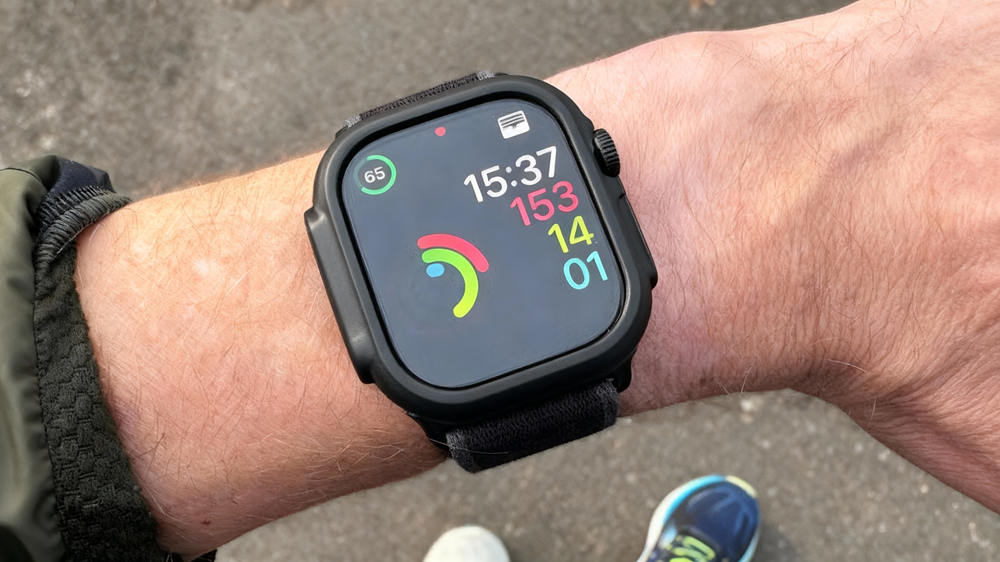
This is a solid all-around wearable. Great for everyday use, gym sessions, and outdoor training.
Is the Apple Watch Ultra 2 the most complete fitness tracker for athletes? Not quite. The most accurate? Also no. But it’s one of the best balanced options out there for active users who want performance tracking and a premium design in one.
Just like any other smart watch from Apple, so what’s new? As the Apple Watch Ultra 2 specs indicate, it’s built though, with a titanium case that can handle gym workouts and outdoor hikes.
Battery life has improved too, and it can operate independently from your iPhone. You can track calories burned, steps, reps, and even sleep quality right from your wrist.
In terms of accuracy, sleep tracking is solid. Calorie burn still tends to read a bit high, but that’s a common issue across most smartwatches. GPS tracking isn’t its strongest suit either, but there are more specialized athlete performance wearables we’ll see next that cover that.
Whoop Band
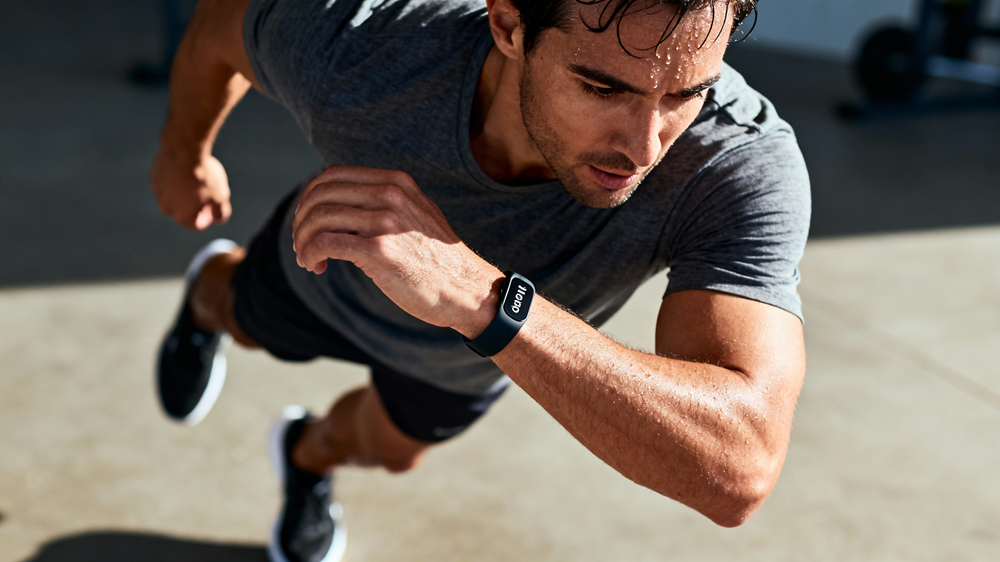
This one’s for athletes who want pure performance and recovery monitoring. The Whoop Band is a true 24/7 tracker, always on, always collecting data.
Why is this fitness tracker so unique? Whoop focuses entirely on performance wearables and recovery tracking, and dives deep into how your body handles strain, rest, and stress.
It’s quite a convenient device, as you don’t even have to start a workout manually. Whoop automatically detects activity and adjusts your strain score based on duration and intensity.
As it’s specifically designed for athletes, Whoop gives detailed insights into heart rate variability (HRV), recovery, and sleep. Basically, all you need to understand when to push harder, or when to rest. The newest version also includes VO₂ Max tracking, giving a more complete view of endurance and muscle performance.
It’s lightweight, minimal, and comfortable. You can use it on your wrist, arm, or even attach it to clothing.
But there’s always a price to pay for this level of performance. In this case, literally. Whoop operates on a subscription model, which some people find a bit pricey. But if you are really committed to data-driven performance, it’s totally worth it.
If you feel Whoop costs too much and you don’t need such detailed info, an Oura Ring might be a better alternative.
Another potential drawback is that the Whoop band has no screen. Real-time feedback comes through the app, so it’s more for athletes focused on long-term insights rather than quick stats.
Beats PowerBeats Pro 2 Earbuds
Who doesn’t love to hear some good music while training? The Beats PowerBeats Pro 2 gives you good audio quality and adds heart rate tracking.
If you want earbuds that never fall off, sound great, and sync with your fitness data, these are worth checking out. They’re noise-canceling and designed to lock in comfortably, no matter how hard you move. You can run, jump, lift, or even pull your shirt off mid-set, and they’ll stay put.
The Beats PowerBeats Pro 2 has a heart rate monitor feature. Each earbud sensor can send data to your iPhone, Android device, or even gym equipment like treadmills and bikes. We were surprised by how accurate these measurements are, especially for strength and cardio sessions. In fact, for weightlifting, these earbuds often read heart rate more precisely than most smartwatches.
Controls are intuitive: skip tracks, adjust volume, or take calls with a tap. The mic is clear too, so you can answer without breaking your rhythm.
Still, there’s one thing we can’t believe these earbuds don’t do: You can’t connect to gym equipment and stream music simultaneously. It’s a small limitation, but a real bummer. We hope they fix this in the next release.
Hyperice Normatec Compression Boots and Arms
This next recovery device doesn’t track data, but every serious athlete should know about it. The Hyperice Normatec compression wearables help reduce muscle soreness and boost circulation, so your body recovers faster and feels ready for the next workout.
Normatec offers both boots and arm sleeves, depending on which muscle groups you want to target. Each one uses controlled air compression cycles to apply pressure to specific areas, like your hamstrings, knees, forearms, or shoulders. The process helps flush out metabolic waste, improve blood flow, and speed up recovery.
These smart compression garments are ideal for athletes who are looking for something focused and portable. They’re easy to use and can be customized for different intensity levels or body parts.
One quick tip: get everything you need with you before you start a 30-minute recovery session. You don’t want your water bottle on the other side of the room once you’re zipped in.
Catapult One GPS Vest Tracker
This is where athlete performance wearables offer high-precision tracking for field sports. The Catapult One GPS Vest Tracker goes beyond basic activity tracking, offering detailed metrics like top speed, sprint power, and distance covered. All the kinds of stats that really show what you did on the field.
This GPS tracker is a staple in sports like football, soccer, and baseball, where movement, positioning, and intensity all matter. It doesn’t focus on VO₂ Max or HRV. Instead, it gives you a post-game performance report, with the same kind of breakdown used by pro teams.
The Catapult One GPS is really easy to wear and use. Just put on the vest, and it starts recording automatically once you move. After the session, sync it with your mobile app to review your data.
Then, when the insights kick in, it’s time to sit down with your coach or trainer and put the brain to work. Analyze your numbers, spot trends, and fine-tune your training plan.
Expert Insights from P1Athlete
You don’t need to be a rocket scientist to understand your wearable tech data. Most performance indicators are pretty straightforward.
But also it’s easy to get lost in so much information, trying to make sense of it. Moreover, the best wearable tech for athletes isn’t always perfectly accurate. Sensors can drift, readings can vary, and that’s where expert guidance makes all the difference.
What’s the best way to optimize your data-driven training sessions? Training with the right team.
At Performance One, we’re big fans of athlete performance wearables. Beyond looking cool, they give us real data we can use to fine-tune your training. Our personal trainers dive deep into your numbers to track trends, identify weak points, and measure how your body responds to each session.
The look on an athlete’s face when we show them, “Hey, last time you pushed harder. Check it out,” says it all. That’s how we turn data into motivation.
Wearables also give us a huge edge in recovery monitoring. With this tech, our physical therapists can design smarter, faster rehab plans. We know injury recovery is deeply personal, and combining precise performance data with guided rehab helps us speed up the comeback process safely.
This data can have dramatic results. We have even seen cases where players completed rehab in half that amount of time, thanks to these insights. Plus, when it’s time to return to the field, we can follow up HD precision, tracking progress and adjusting every step.
With the right coaching, your wearable data becomes a roadmap. Even when you are not training or playing.
Transform Your Training With Tech Insights
Your fitness wearable tech can do a lot for you, that’s for sure. But as advanced as smart sports gadgets have become, real teamwork at the gym is how you get to peak performance.
With the right personal trainers, you’ll understand your performance data and learn how to use it. We can really help change the full picture of your training.Are you reading your training data insights the right way? Do you know how to take them to the next level? Come to Performance One and combine the best wearable tech for athletes with the best gym equipment. Schedule your session today and let’s turn your numbers into your next big win.
