
When we talk about food programs for weight loss, we need to start with one thing very clear: the goal. Getting lean for a short phase is one thing. Losing fat to reach a new level of performance is another.
Most diet plans fail because they are too aggressive, they cut too many calories and remove entire food groups. That won’t really help reset your body during conditioning or off season, and it certainly will not help you maintain results long term.
Yes, a calorie deficit diet can help reduce body fat. But many times, athletes and active adults need to balance things differently. The wrong approach can lead to low energy, slower recovery, and even strength loss.
When done right, food programs become a tool for fine tuning. That is why in this guide we will cover how a well structured, balanced diet for athletes helps you manage calories intelligently, protect muscle, and build a plan you can actually sustain.
What Are Food Programs for Weight Loss?
A weight loss food program is a structured framework for managing nutrition with a clear objective: reach a specific weight, by a specific time, without sacrificing performance.
This means combining macro goals and micro goals into practical action. Calories and macronutrient targets, along with smart food choices, meal timing and portion control.
Another key factor is that goals shift over time. This applies to everyone, from someone starting a weight loss journey to weekend warriors and elite athletes. Calorie needs during preseason are different from in season. Macro balance changes when training volume increases. That is why food programs for athletes must adapt over time to create sustainable results.
Food programs for weight loss require a strategy mindset. They start with clarity: “I want to weigh X pounds in 8 weeks.” But also, “What is my plan after those 8 weeks? Or the season, or the whole year?”.
Many diets fail because they focus only on the short term goal. This has been widely reported in media coverage of shows like The Biggest Loser. Participants lost weight quickly, but many regained it later. The effort was real, but the planning was not sustainable.
This is not just a general population issue, and active individuals face it too. We have even seen disciplined athletes who cut too hard before preseason, or drop calories too low while trying to reduce body fat. The result a lot of work to reverse that damage done before getting back to play, such as fatigue, slower recovery, and muscle loss
Which brings us to the key question: How to lose weight without losing muscle?
The foundation is a moderate calorie deficit, usually around 300 to 500 calories below maintenance, paired with a high protein diet for fat loss. But it is not as simple as eating less and adding protein.
If calories drop too aggressively, you can lose muscle along with fat. That leaves you weaker, softer, and less explosive.
A well designed healthy meal plan for weight loss focuses on gradual progress. It protects lean tissue, supports training, and builds habits that lead to sustainable optimal weight.
Every journey is personal. But there are core principles that apply to everyone. Let’s break those down next.
Core Principles of Effective Food Programs for Weight Loss
Many food programs for weight loss are often associated with bodybuilding. That is because they share a similar goal: reduce body fat while maintaining or even building muscle.
Of course, that does not mean a weight loss plan turns you into a bodybuilder. It simply means the strategy must protect muscle while reducing fat.
When body weight drops, the body relies on three macronutrients for fuel: carbohydrates, fats, and protein. If calories are reduced too aggressively, the body may break down its own muscle tissue for energy. That is exactly what we want to avoid.
So how do we balance fat loss and performance? There are four core principles.
Calorie Balance: Deficit or Surplus?
Most weight loss strategies rely on a calorie deficit diet, which means consuming fewer calories than you burn. On average, men may require around 2,500 kcal per day and women around 2,000 kcal per day, depending on activity level. For athletes, those numbers are often higher.
Research consistently shows that a moderate deficit of 300 to 500 calories per day is effective. It promotes fat loss while helping preserve lean muscle.
But here is something important: As you lose weight, your body burns fewer calories. This is called metabolic adaptation. As the body becomes more efficient, the same deficit that worked at the beginning may not work later, so you’ll need to adjust.
You cannot remain in a chronic calorie deficit long term without negative effects. Hormones shift, recovery slows, and performance can drop. That is why sustainable weight loss requires phases. Deficit is a tool, not a permanent state.
Macro Balance: Protein high, carbs and fats smart
Macronutrients fuel your body. There are three: carbohydrates, proteins, and fats.
- A high protein diet for fat loss helps preserve muscle tissue. It increases satiety, supports recovery, and protects strength levels during a deficit.
- Carbohydrates are your primary energy source. Cutting them completely is not a smart strategy, especially during high intensity training phases. Low carbs often mean low performance.
- Healthy fats support hormone production, joint health, and nutrient absorption. They are essential, not optional.
The goal is not to eliminate carbs or fats. It is to balance them according to training demand. That is what separates a restrictive diet from a smart meal plan muscle building approach. This principle works not only for bodybuilders, but for any athlete who wants to optimize performance.
Micronutrients: Vitamins & minerals keep systems strong
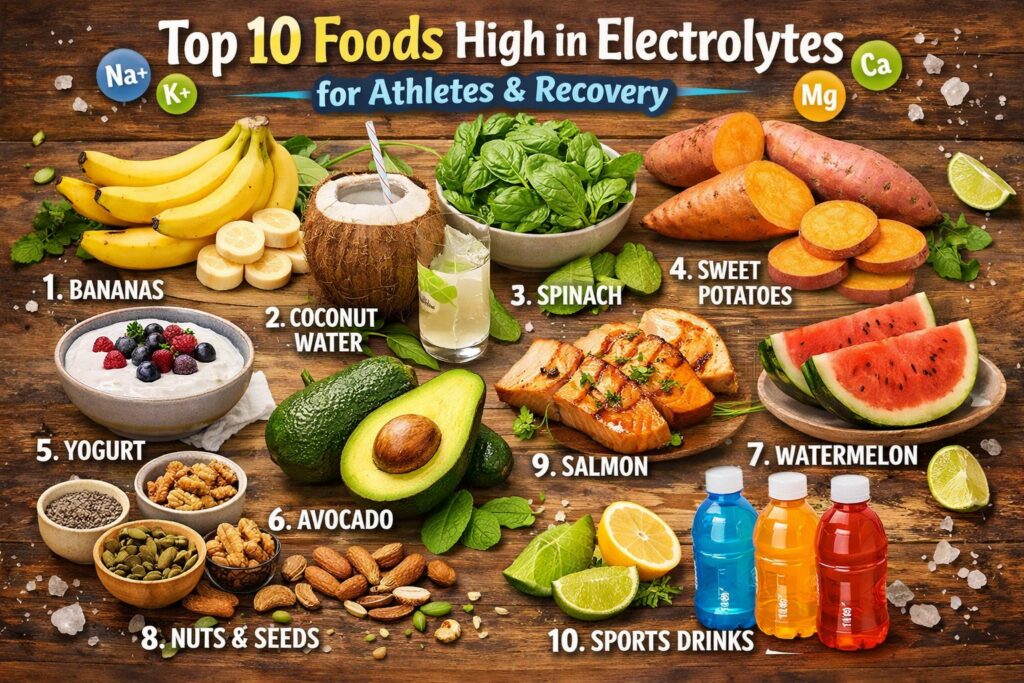
Micronutrients are required in smaller amounts, but they are essential. These are vitamins and minerals that do not provide calories, yet allow your body to use calories efficiently.
The B vitamin group supports metabolism and energy production. Magnesium supports muscle function and recovery. Iron plays a role in oxygen delivery. Calcium supports bone strength.
Without adequate micronutrients, even the best balanced diet for athletes will underperform.
This is why whole foods matter. Clean eating is not about being extreme. It is about consistently choosing nutrient dense foods.
Hydration & Recovery: Keeping progress healthy
You should manage what you drink as carefully as what you eat. Hydration directly impacts strength, endurance, and recovery. Even mild dehydration can reduce performance and increase fatigue, so athletes in a fat loss phase must pay close attention to water intake and electrolytes.
Also, sleep, stress management, and proper nutrient timing influence how well your body adapts to a calorie deficit. In fact, poor sleep alone can disrupt hunger hormones and slow fat loss. We break this down further in our guide on sleep and recovery for athletes.
A successful food program is not just about eating less. It is about supporting training while reducing body fat safely.
Optimal Foods for Weight Loss: The List
Depending on your macro and micronutrient needs, your exact food choices will vary. A preseason athlete will not eat the same way as someone in a longer fat loss phase.
But if you are looking for a big picture reference to start building a healthy meal plan for weight loss, this list gives you a strong foundation.
These foods support muscle retention, steady energy, and better recovery. How you portion and combine them will determine whether you create a deficit, maintain weight, or even support a lean muscle phase.
Think of this list as the building blocks, or good source of ideas, for a smart food program for athletes.
| Lean Protein | Carbs | Healthy Fats | Fruit and Veggies |
| Chicken and turkey breastGround turkeyExtra lean ground beefSalmonWhite fish (tilapia, cod, tuna, etc.)ShrimpEggs / Egg WhitesTofuTempehLow-fat Greek yogurt | RiceGreen peasLentilsWhole grain breadEnglish muffinsWhole grain wrapsOatsPotatoesBeans (black beans, chickpeas)PastaRice cakes | AvocadoPeanut butterAlmond butterNuts (almonds, peanuts, cashews)Olive oilCoconut oilDark chocolateCheeseChia seeds and flax seedsHummus | BroccoliCauliflowerAsparagusLeafy greens (lettuce, spinach, etc.)ZucchiniCarrotsBell peppersBrussel sproutsMushroomsOnionsApplesBananasOrangesBerries (blueberries, raspberries, etc.)Pear |
Combining Food Programs for Weight Loss With Training
As we said earlier, a calorie deficit is not the default strategy for most athletes, as performance comes first. That said, there are moments when strategically reducing body fat makes sense. The reality is we do not live in peak season year round, and preseason and off season phases create opportunities to fine tune body composition while maintaining proper fuel intake.
We have already covered how important it is to manage protein, carbohydrates, and healthy fats around training sessions, especially in pre and post workout nutrition. Timing matters just as much as total intake.
Athletes in sports like basketball, soccer, and distance running are often already lean. But even they may adjust their food program for athletes to improve body composition in ways that enhance speed, agility, endurance, and movement efficiency. In these sports, relative strength matters. Dropping unnecessary body fat can improve performance. Losing muscle cannot.
If an athlete is already lean and performing well, chasing additional fat loss needs to be handled carefully. But with the right nutrition structure and professional training guidance, a smart adjustment can improve conditioning, reduce joint stress, and increase explosiveness.
The biggest mistake athletes make is cutting calories at the wrong time.
Entering a deficit during season, before tournaments, or ahead of high performance events can reduce energy availability, recovery capacity, and power output. In most cases, the off season is the best time to pursue fat loss. Performance demands are lower, and long term development can take priority.
Before starting any fat loss phase, build a strong foundation. Establish consistent meal timing. Balance protein and carbohydrates throughout the day. Stay properly hydrated. Track your current intake to create awareness and a baseline.
When structured correctly, a healthy meal plan for weight loss supports long term performance instead of compromising it.
How To Build a Sustainable Food Plan
If you want to train at the next level, it may be time to fine tune your nutrition. Your training might feel solid. Your habits might already be good. But if you are looking for that extra edge, those small adjustments that take you from good to elite, they need to be done in a smart and safe way.
A sustainable food plan is about alignment. Aligning calories with performance goals. Aligning protein intake with muscle protection. Aligning carbohydrates with training demand. That is how weight loss supports long term performance instead of hurting it.
At Performance One, nutrition is part of the system. We provide the coaching, structure, and accountability to help you optimize both training and fueling. Whether your goal is improving body composition, building strength, or preparing for season, your meal plan for athletes should support your performance, not fight against it.For over 20 years, we have helped athletes and members of the Salt Lake community move better, train smarter, and eat with purpose. If you are ready to fine tune your training and build a smarter food program, become a member today and take the next step toward performing at your best.
